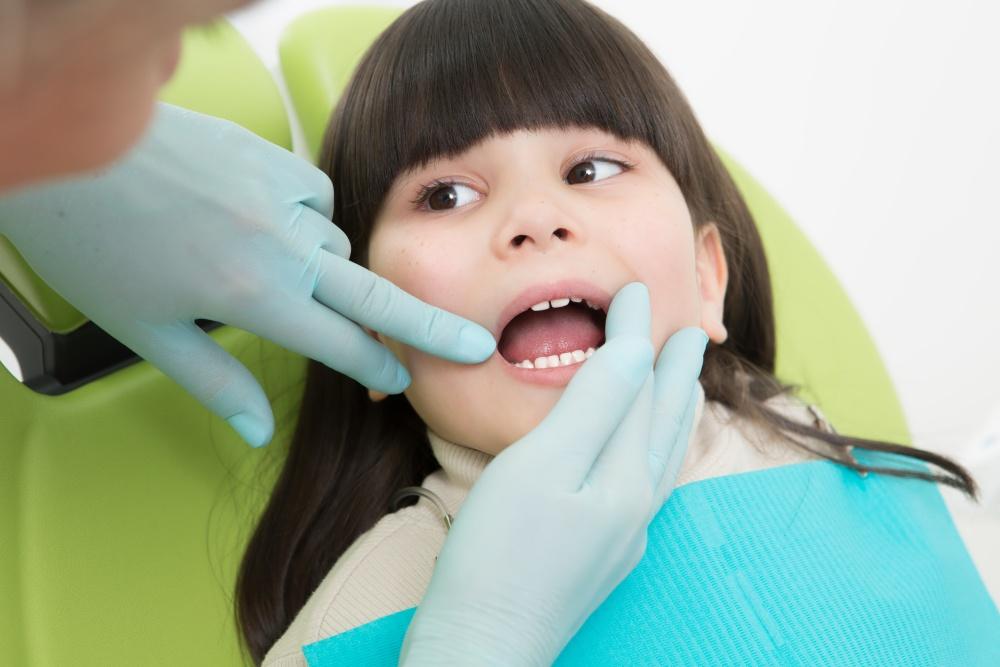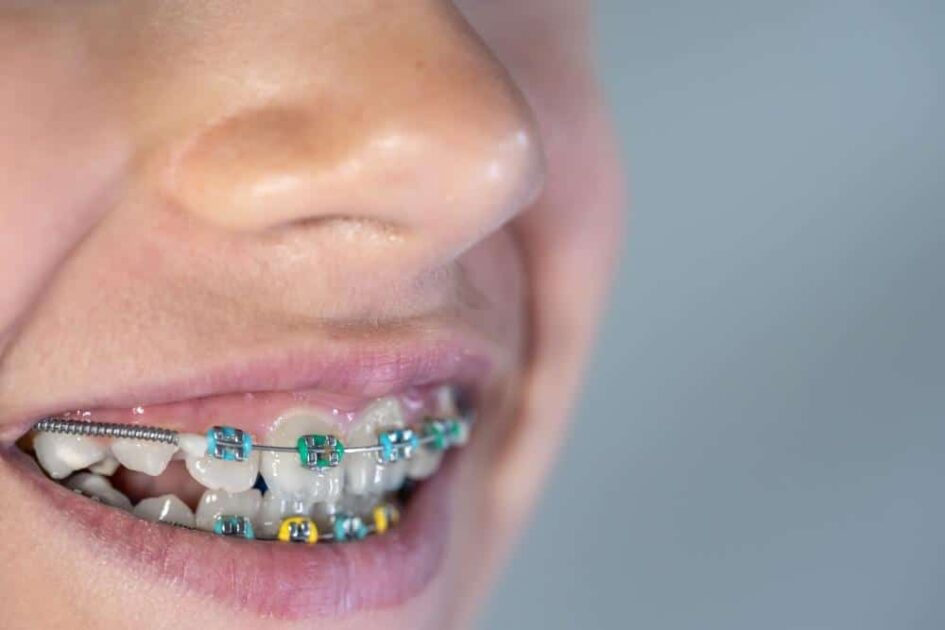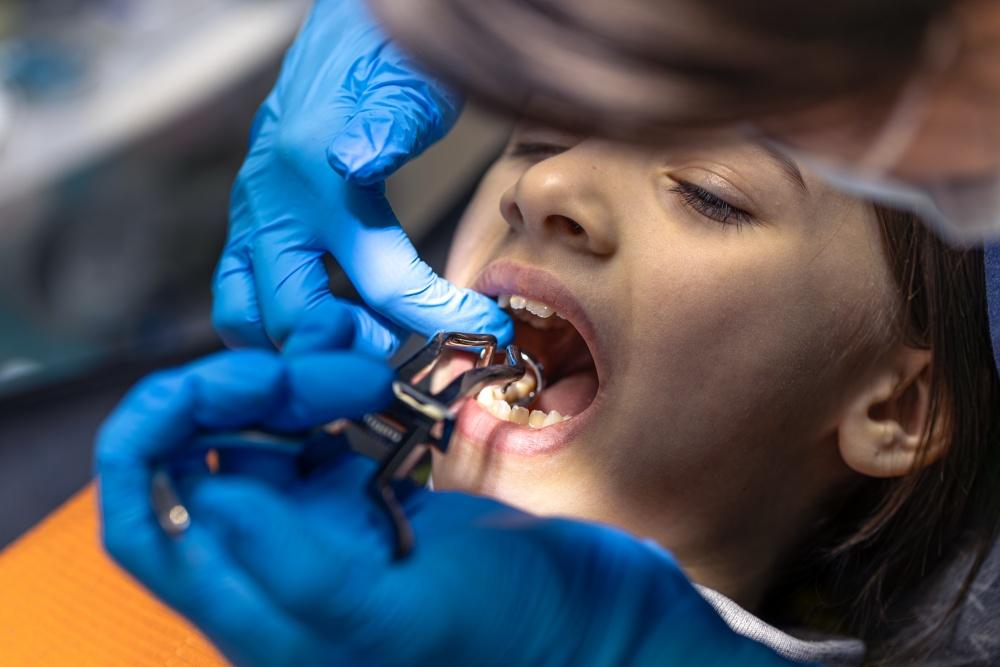
This guide gives answers to the most frequently asked questions parents have during their child’s first orthodontic consultation.
1. Does My Child Need Braces If Their Teeth Look Straight?
Straight-looking teeth do not equate a well-functioning bite. Orthodontic issues can exist even when the front teeth look tidy.
Orthodontics is about how the teeth and jaws work together and is more than just how the front teeth look in a photograph. A crossbite (where some upper teeth sit inside the lower teeth when biting), a deep bite (where the upper front teeth cover too much of the lower ones) or a jaw discrepancy (a marked difference in the size or position of the upper and lower jaws) can all be present without any obvious crowding. Teeth that are malpositioned or a bite that doesn’t close properly are examples that could be missed with just a quick look in the mirror.
Hence a professional assessment is more informative than a visual check at home. An orthodontist or a paediatric dentist can assess the bite, jaw position, and how adult teeth are coming through beneath the gumline.
2. Does My Child Need to Wait Until Their Teen Years for Braces?
Not always. Most active treatment with braces is done between ages 10 and 14. However, a small group of children may benefit from earlier intervention when a specific structural/skeletal issue is best addressed during the growth window.
Jaw and palate development are more responsive to guidance while a child is still actively growing. Addressing them earlier can sometimes simplify treatment later or even eliminate treatment later.
If you’re wondering when a child can get braces, or how young a child can get braces, the earliest ages at which early orthodontic treatment with appliances is usually around 6 to 8. That’s when the mixed dentition stage (a mix of baby and adult teeth) begins, and the first adult teeth have arrived. Earlier than that is uncommon and case-specific.
Being seen early isn’t the same as being treated early. An assessment around age 7 often ends in a monitoring plan, and that’s a valid outcome.
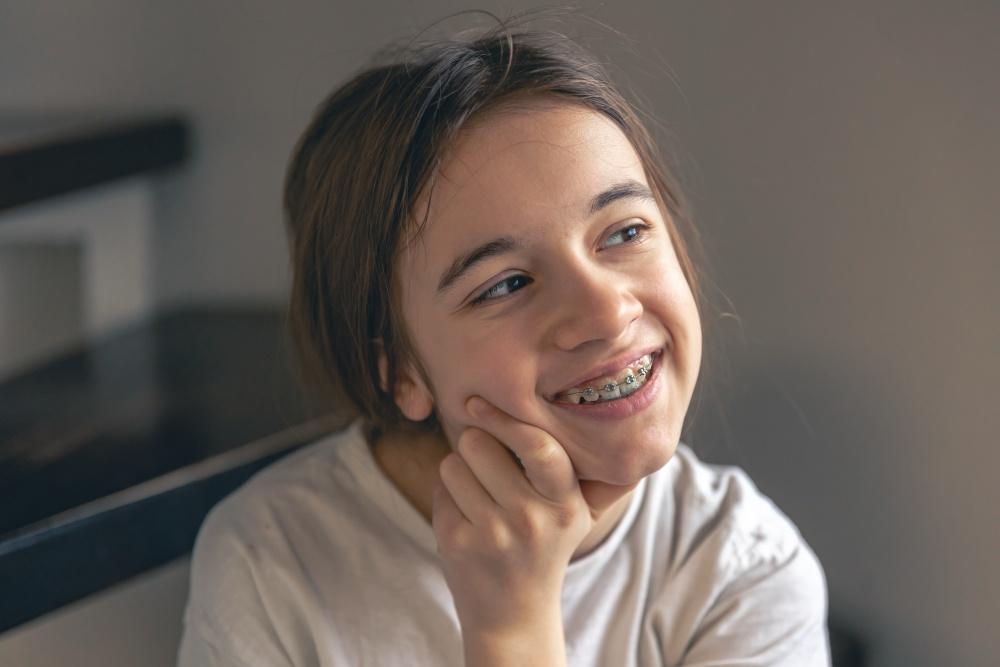
3. Are Traditional Metal Braces the Only Choice for My Child?
No. Traditional metal braces remain a common and reliable choice, but they aren’t the only one. Alternative braces and related options include:
- Ceramic braces: Brackets and wires, as with metal braces, but with tooth-coloured brackets that are less visually prominent
- Invisalign First™: A removable clear aligner system designed for children in the mixed dentition stage
- Palate expanders and space maintainers: Interceptive appliances that address specific structural issues rather than tooth alignment, and part of the wider orthodontic toolkit rather than braces in the traditional sense
For slightly older children and teens, clear aligners such as Invisalign® are also available. The right option depends on the child’s specific case, temperament, and daily routine, and is determined during an assessment.
4. Is Orthodontics for Children Purely Cosmetic?
No. A straighter smile is often the most visible outcome, but orthodontic treatment for children frequently addresses function (how the bite works) and structure (how the jaw and palate develop), not only appearance.
Functional concerns can include difficulty chewing, uneven tooth wear, jaw discomfort, impingement on gums due to malpositioned teeth, speech issues in some cases, and longer-term dental health issues that stem from a bite that doesn’t close properly.
Structural concerns include a crossbite, a significantly narrow upper jaw, or a skeletal discrepancy between the upper and lower jaws, and these are often more straightforward to address during the growth years than after.
However, cosmetic and functional concerns aren’t opposites. Treatment that improves function often improves appearance too, and the reverse can be true as well. What matters is whether a treatment is clinically warranted.
A good orthodontist will be clear about what a proposed treatment is actually addressing, and won’t present a cosmetic improvement as a functional necessity.
5. Does It Hurt to Get Braces?
Having braces fitted is generally not painful, but it’s common for children to feel some soreness or tenderness in the days that follow, and again after each adjustment. The discomfort is real, though usually mild, manageable and short-lived.
The appliances apply gentle, sustained pressure to the teeth over time, which is what allows them to move, and the tenderness reflects that pressure taking effect. Most children adapt quickly, and it can help to tell your child beforehand that some tenderness is normal and temporary. It’s usually managed with:
- Soft foods for the first day or two after fitting and after adjustments
- Simple pain relief where needed and appropriate
- Orthodontic wax to smooth any bracket edge that irritates the inside of the cheek
The discomfort typically settles within a few days, and The Dental Studio takes care to keep each adjustment comfortable. If pain is severe, persistent or accompanied by other symptoms, raise it directly with your treating orthodontist.
When to Book an Assessment
An orthodontic assessment around age 7 is a sensible baseline for most children. If any of the questions above sound familiar, you’re welcome to bring them to your appointment, which is designed to be a conversation as much as a clinical review, with no obligation to proceed with anything afterwards.
At The Dental Studio, orthodontic assessments for children and teenagers are carried out by Dr Woo Mei Yee, the practice’s specialist orthodontist.
If you’d like a clear, unpressured picture of whether your child needs orthodontic treatment, you’re welcome to book an assessment at The Dental Studio.