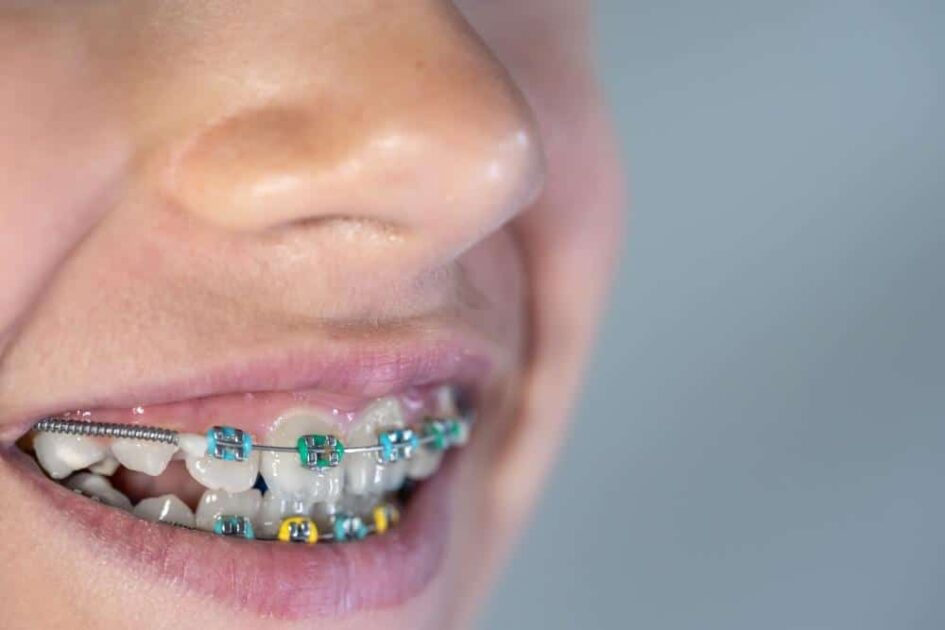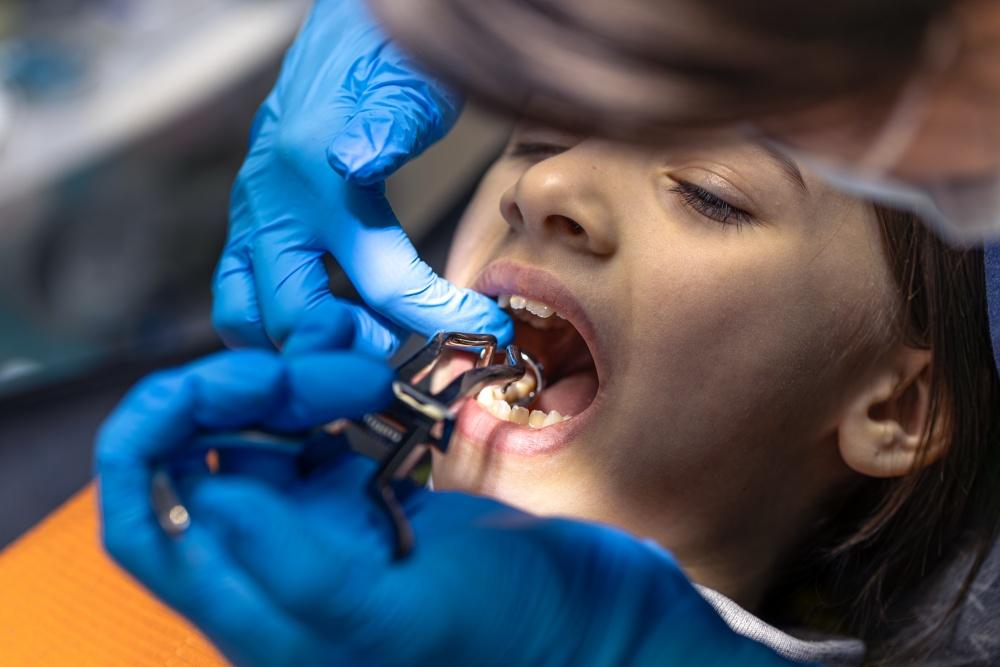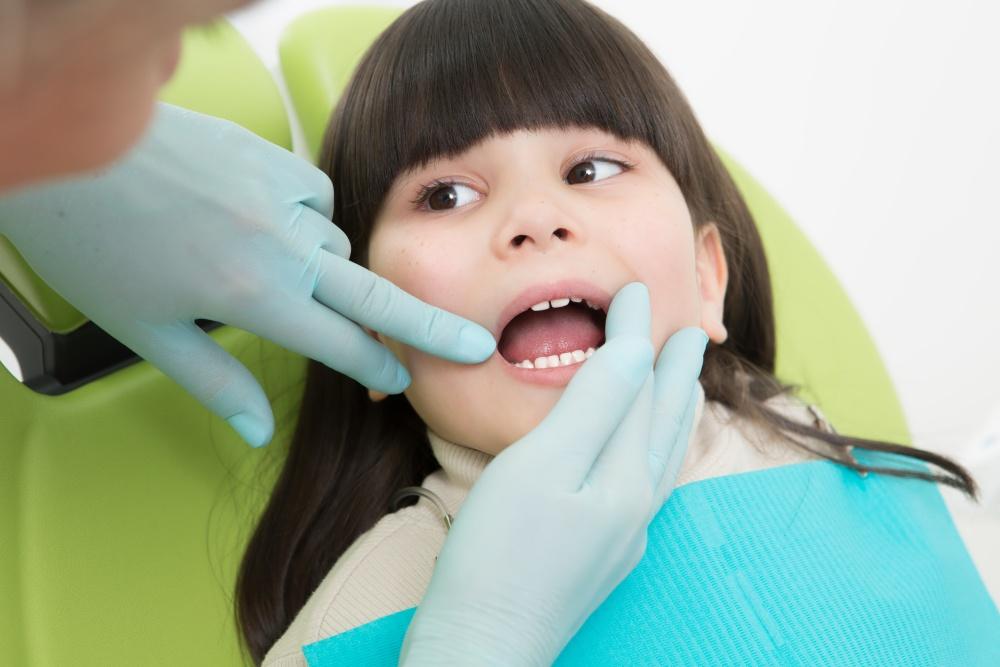
In addition to monitoring and guiding dental eruption, early orthodontic treatment looks at how a child’s jaw, palate and airway develop in the years before and during the transition to adult teeth.
This post covers how the jaw develops through childhood, tell tale signs that suggest one may need help, what early interceptive treatment entails and how you can make a confident, informed decision.
What Most Parents Get Wrong About Orthodontics
Many parents picture braces in the teenage years when all the adult teeth have erupted, with a straighter smile as the goal. It’s a reasonable assumption, and a lot of orthodontic marketing has reinforced it.
At its clinical core, though, orthodontics is about how the jaws and bite function. Straight teeth are often a downstream result of getting that structure right.
That’s where the developmental window comes in. A child’s jaw grows significantly during childhood and guiding a developing problem during those years is often simpler, less invasive and more effective than correcting it after growth has finished. Early orthodontic treatment aims to start braces treatment in children earlier to ensure the structures that adult teeth occupy form as they should.
How the Jaw and Palate Develop, and Why the Early Years Are the Critical Window
The palate is the roof of your child’s mouth, and it’s actively growing during the baby-teeth and “mixed dentition” stages, roughly ages 5 to 11. Mixed dentition simply means a mouth with both baby and adult teeth, and the palate is relatively responsive to gentle guidance during this period.
The upper jaw, known as the maxilla, is the bone that forms the roof of the mouth and it houses the upper teeth. The maxilla develops early, and its width helps determine how much space the adult teeth will have. Growth slows considerably in the early teenage years and is largely complete by the mid-teens.
Changes to jaw width or position made during active growth may need less force and cause less disruption than corrections attempted afterwards. A narrow upper jaw can sometimes be addressed more simply at nine than at sixteen. That’s the reasoning behind early orthodontic care: working with the window biology provides, without rushing anything.
The Link Between Jaw Development and Breathing
A narrow or underdeveloped upper jaw can reduce the room in the nasal passage and upper airway and is often associated with mouth breathing.
Occasional mouth breathing, during a cold, for example, is normal. However, chronic mouth breathing is of concern and needs attention because it is associated with changes in facial development, compromised sleep quality and possibly reduced mental focus. This is an area of growing clinical interest rather than settled doctrine, so if you’ve noticed it in your child, it’s worth discussing with a dental professional.
Signs a Parent Might Notice at Home
The signs below are prompts for a conversation, not a diagnosis. None of these is cause for immediate concern, but any of them is worth mentioning at your child’s next check-up.
- Breathing through the mouth most of the time, especially during sleep or at rest
- Snoring or noticeably restless sleep
- Thumb-sucking or dummy use beyond ages 3 to 4
- A narrow or high-arched palate
- Crowding of the baby teeth
- A lower jaw that sits notably far back or forward
- A crossbite, where some upper teeth sit inside the lower teeth when biting
- Difficulty chewing, or a habit of chewing consistently on one side
What Early Interceptive Orthodontic Treatment Actually Involves
Early interceptive orthodontics, also called Phase 1 orthodontics or early intervention orthodontics, describes treatment that begins while a child still has some or all of their baby teeth, typically between ages 6 and 10.
It differs from comprehensive orthodontics (Phase 2), which straightens teeth once most adult teeth are in. Early treatment doesn’t always spare a child from later treatment, but that later treatment is often less extensive.
An orthodontist might consider:
- Palate expanders: Gradual widening of the upper jaw to create space and improve arch width, most effective during active growth
- Space maintainers: Holding room for adult teeth where a baby tooth has been lost prematurely/too early, preventing the drift that can cause crowding later
- Myofunctional or functional appliances: Influencing how the upper and lower jaws sit in relation to each other, particularly where there’s a significant skeletal discrepancy (a marked difference size or position between upper and lower jaws)
- Myobrace®: A myofunctional appliance system designed to support healthy tongue posture, breathing and oral habits while the jaws are still growing
- Invisalign First™: A clear aligner system designed for the mixed dentition stage, when baby and adult teeth are present together
These are possibilities, not recommendations. An orthodontist decides what, if anything, is appropriate after an examination. Not every child assessed early needs active treatment, and a thorough assessment often ends with a monitoring plan and a clear explanation of what to watch for.
Is Early Orthodontic Treatment Necessary?
Early orthodontic treatment isn’t necessary for every child, but for some it addresses problems that are meaningfully easier to correct during the growing years.
It’s typically worth considering when:
- A crossbite is present
- Jaw position shows a significant skeletal discrepancy
- Severe crowding is already affecting the path of incoming adult teeth
- Mouth-breathing patterns appear structurally linked to jaw development
Watching and waiting is often more appropriate when crowding is mild, jaw development looks normal, concerns are mainly cosmetic, and examination finds no functional or developmental issues.
Either way, the right answer comes from an examination, not a checklist. A trustworthy assessment from an orthodontist/ paediatric dentist will sometimes conclude that the honest recommendation is to wait, and that’s exactly the kind of guidance The Dental Studio is built to give.
When to Seek an Assessment and What to Expect
The right age for your child to seek a first orthodontic consult is around age 7. At this age, several adult teeth would have erupted to allow the orthodontist to assess how the jaws and bite are developing.
Being assessed at this age doesn’t mean treatment begins straight away. The first visit is an examination, and for many children it leads to a monitoring schedule so any changes can be watched as they grow.
At the appointment, you can expect:
- A conversation about what you’ve noticed and any questions you have
- A clinical examination of the teeth, bite, jaw position and palate
- X-rays if appropriate, to see how adult teeth are positioned beneath the gumline
- A treatment recommendation, a monitoring plan, or reassurance that development is on track
At The Dental Studio, early orthodontic assessments are carried out by Dr Woo Mei Yee, the practice’s specialist orthodontist. The appointment carries no obligation. Its purpose is to provide a clear picture of your options.
If you’ve noticed any of the signs above, or simply want a baseline picture of how your child’s jaw and teeth are developing, you can book an assessment at The Dental Studio, a dental clinic in Singapore with specialist orthodontic care for children.