A first orthodontic assessment is typically recommended around age 7. Orthodontic treatment may or may not start at age 7. For most children, active orthodontic treatment happens later, and the right timing depends on how their jaw and teeth are actually developing.
This post covers the outdated rule many parents were given, what dental associations actually recommend, what different age bands call for clinically, and how to tell when it’s time to book an assessment.
The Old Rule Most Parents Were Given: "Wait Until All the Baby Teeth Are Gone"
Many parents were told that orthodontic treatment begins only when all baby teeth have fallen out and every adult tooth has erupted. It’s a reasonable belief. For a long time it reflected the standard approach, and the images parents usually see of braces, mostly teenagers, have reinforced it.
Current thinking separates assessment from treatment, and the two don’t have to happen at the same age. Having your child’s jaw and bite reviewed earlier by a paediatric dentist or an orthodontist gives your family useful information without committing to anything.
Timing matters because of the developmental window. Certain aspects of jaw and palate growth can only be fully guided while a child is still growing. Identification and treatment of early developing problems in dental eruption and jaw development helps to prevent complex treatment later on.
What the American Association of Orthodontists Actually Recommends
The American Association of Orthodontists (AAO), a widely referenced orthodontic body internationally, recommends that every child have a first orthodontic assessment by around age 7. Many orthodontists in Singapore also follow this timing.
Age 7 is used because most children have a mix of baby and adult teeth by then, a stage known as mixed dentition. That gives an orthodontist enough information to see how the jaw is developing, how adult teeth are positioning themselves beneath the gumline, and whether any developing issue may be worth addressing early.
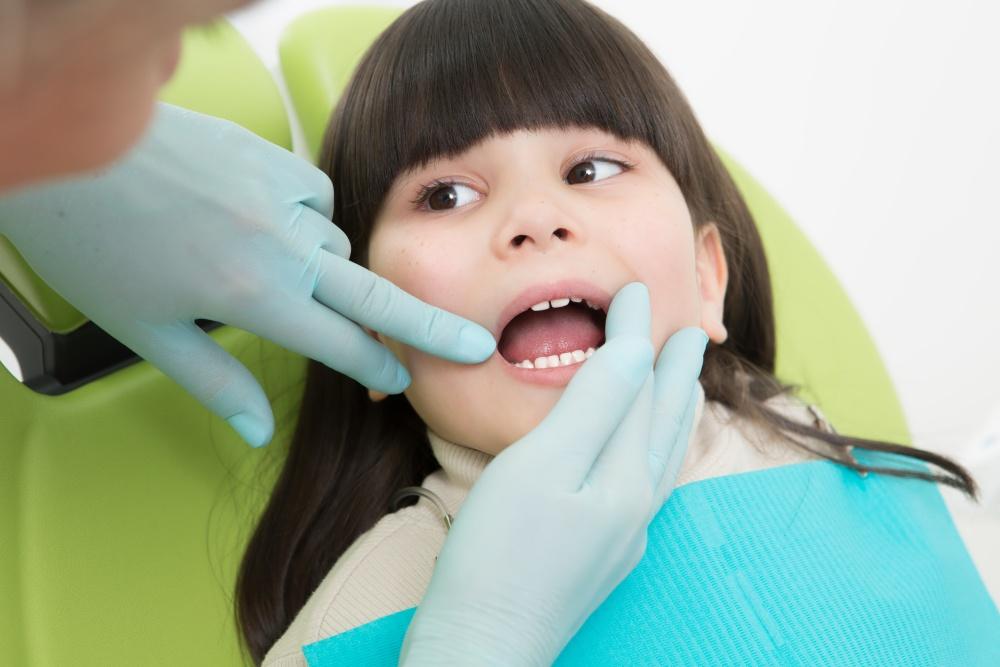
Your child’s first orthodontic consult visit is usually just an examination and a conversation, not the start of treatment. For many children, the outcome is a monitoring plan and a note to review at the next dental visit. Some issues can sometimes be addressed more simply when they’re spotted early, which is why the check is often more useful at this stage rather than later.
A Practical Timeline: What Different Ages Call For
What’s a good age to get braces? For most children, orthodontic treatment is not needed at the first orthodontic assessment at age 7. There’s no single best age for orthodontic treatment as every child is different. Think of the age bands below as a general clinical picture rather than a rule, because an individual assessment always outranks a timeline.
Between ages 6 and 10, early orthodontic treatment (also known as early interceptive orthodontics or Phase 1 treatment) may be considered when there is a specific structural issue. Examples include a crossbite (where some upper teeth sit inside the lower teeth when biting), a notable jaw discrepancy (a marked difference in jaw size or position), or crowding that will affect the path of adult teeth still coming through. Most children in this band don’t need active treatment.
From around 10 to 14, comprehensive orthodontics, sometimes called Phase 2, is commonly considered. This is when most orthodontic treatment happens. Most adult teeth are in by then, and kids’ braces or clear aligners are commonly used.
In the late teens and adulthood, orthodontic treatment remains fully possible. Because jaw growth has finished, treatment tends to focus on tooth position rather than jaw structure, and it can sometimes take longer to reach the same visible result.
What Are the Options for Paediatric Orthodontics?
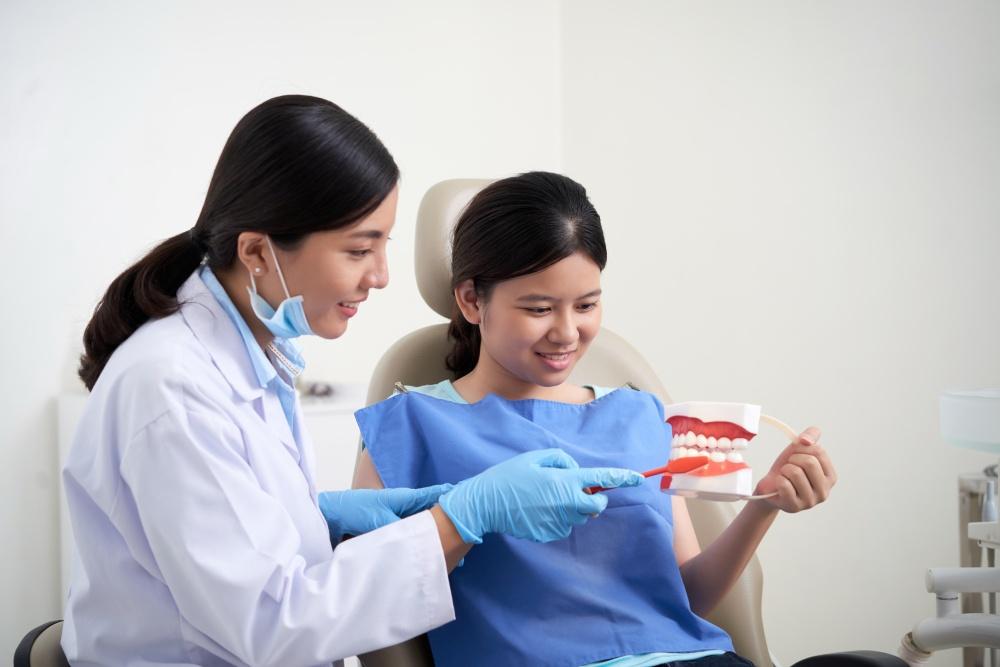
For children in the mixed dentition stage, two common options are traditional fixed braces and Invisalign First™. Each has a role, and the right choice depends on the child, the case and the orthodontist’s assessment.
Not every child at this age is a candidate for either, and the assessment determines whether one is appropriate and which is the better fit.
Traditional Braces
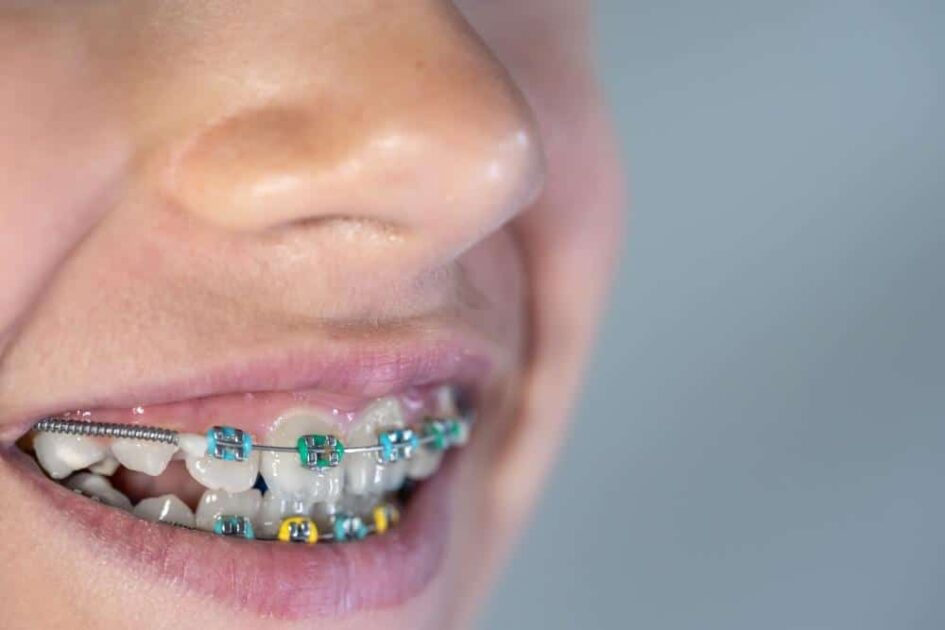
Braces for kids involve the use of fixed brackets and wires bonded to the teeth and are adjusted at regular intervals over the course of treatment. It’s a well-established approach with a long clinical track record, and it works across a wide range of cases, including more complex tooth movements. Because the appliance stays on the teeth, there’s no question of whether it’s being worn.
On the practical side, brushing takes more care around the brackets, hard or sticky foods are best avoided during treatment, and regular in-clinic adjustments are part of the schedule.
Invisalign First™ for Younger Children
Invisalign First™ is a clear aligner system designed for children who still have a mix of baby and adult teeth. The aligners are custom-made and swapped for a new set at set intervals as the teeth move. During the growth years, it can address arch expansion (widening the dental arch to make room for teeth), spacing between teeth and early alignment issues.
The aligners are removable, which supports normal brushing and eating without the food restrictions that come with fixed braces. They do need to be worn for the recommended number of hours each day, so the system works best where a child is able and willing to keep to that routine.
How the Two Compare
When you’re weighing braces for children, the choice usually comes down to which option suits the child’s case, temperament and daily routine.
Fixed braces don’t depend on a child remembering anything, but they’re visible and change the brushing routine. Aligners are less/minimally visible and they do not affect eating or brushing. However, they require patient compliance and discipline as they work only when worn as directed.
Case complexity also plays a role, since some structural issues are better addressed with fixed appliances while others can be handled well with aligners. The child’s case, jaw development and readiness all factor into the recommendation, and that’s what the assessment is for.
When to Book an Assessment, and What to Expect
An assessment around age 7 is a sensible baseline for most children, and you don’t need to wait for a specific concern before booking one. At the appointment, you can expect:
- A discussion of your concerns and any questions you have
- A clinical examination of the teeth, bite, jaw position and palate
- X-rays where clinically appropriate, to see how adult teeth are positioned beneath the gumline
- A clear next step, whether that’s a treatment recommendation, a monitoring plan or confirmation that development is on track
The appointment carries no obligation to proceed. Its purpose is to give your family a clear picture and your options. At The Dental Studio, orthodontic assessments for children and teenagers are carried out by Dr Woo Mei Yee, the practice’s specialist orthodontist.
If you’d simply like a baseline picture of how your child’s teeth and jaw are developing, you’re welcome to book an assessment at The Dental Studio, a family dental clinic in Singapore.