Mouth breathing in children is more common than many parents realise. While it may seem harmless, persistent mouth breathing can influence how a child’s teeth and jaws develop over time.
During childhood, the jaw and facial structures are still growing. Healthy nasal breathing plays an important role in guiding proper jaw development and creating enough space for permanent teeth.
When mouth breathing becomes a habit, it may affect this natural development process.
Signs Your Child May Be Mouth Breathing
Mouth breathing may occur during sleep or throughout the day. Some common signs include:
- Sleeping with the mouth open
- Snoring or noisy breathing
- Dry lips or mouth
- Open mouth posture at rest
- Frequent tiredness despite adequate sleep
If these signs persist, it may be helpful to seek a dental assessment.
How Mouth Breathing Can Affect Teeth and Jaw Development
The tongue plays an important role in shaping the upper jaw. During normal nasal breathing, the tongue rests against the roof of the mouth, supporting healthy jaw growth.
When a child breathes through their mouth instead, the tongue may rest lower in the mouth. Over time, this may contribute to:
- Narrow dental arches
- Crowded or misaligned teeth
- Improper jaw development
- Bite alignment concerns
These changes occur gradually as the child grows.
Why Addressing Mouth Breathing Early Matters
Because children’s jaws are still developing, early intervention may help guide healthier growth patterns.
Rather than waiting until the teenage years for braces, early orthodontic approaches may focus on correcting the underlying habits that contribute to dental misalignment.
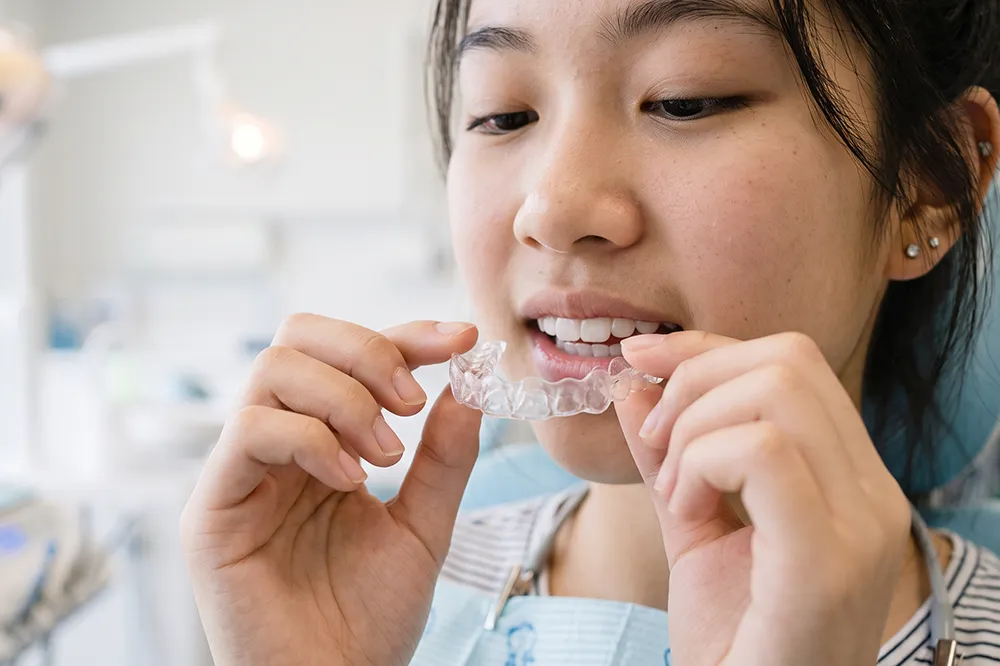
One example of this is Myobrace, a preventive orthodontic treatment designed to support proper breathing, oral posture, and jaw development in children.
How Myobrace Helps Address Mouth Breathing
Myobrace is designed to encourage nasal breathing and improve oral habits that influence dental development.
Myobrace treatment focuses on:
- Encouraging proper tongue posture
- Supporting nasal breathing instead of mouth breathing
- Improving oral muscle function
- Guiding healthy jaw development
By addressing these underlying factors early, Myobrace helps support more natural dental development during growth.
Treatment typically involves removable appliances worn for a short period during the day and overnight, along with simple exercises.
You can learn more about Myobrace treatment here.
When Should Parents Consider an Assessment?
An orthodontic assessment may be helpful if your child:
- Frequently breathes through their mouth
- Has crowded or misaligned teeth
- Snores or sleeps with their mouth open
- Shows early signs of bite or jaw concerns
Early assessment allows dentists to evaluate whether treatment such as Myobrace or monitoring is appropriate.
Supporting Healthy Development During Growth
Every child develops differently. Early orthodontic assessment allows dental professionals to monitor jaw growth, oral habits, and dental alignment.
At The Dental Studio, Dr Stephanie Yap provides personalised orthodontic assessments to determine whether treatment such as Myobrace may help support your child’s dental development.
If you are concerned about your child’s mouth breathing or dental alignment, a consultation can help you understand the most appropriate next steps.
Book a consultation with Dr Stephanie Yap to learn more about Myobrace and early orthodontic care.