You’re happily enjoying ice cream when a sudden sharp pain shoots through your teeth. Or you’re savouring the aroma of hot coffee, only to feel a dull ache as you take a sip. Tooth sensitivity is a common issue, but it should never be ignored. Every sign of discomfort may point to underlying problems—tiny cracks, gum recession, or even enamel damage.
Dental specialist Dr Lynette Ng explains the causes of tooth sensitivity and the treatments available.
Why do teeth hurt when eating ice cream or drinking cold beverages?
Sensitivity usually occurs when the inner layer of the tooth, called dentin, becomes exposed. Dentin contains thousands of microscopic channels that connect directly to the nerves inside the tooth. Once exposed, changes in temperature—or even sweet or acidic foods—can stimulate the nerves, triggering pain or discomfort.
Common causes of tooth sensitivity
Enamel wear
Enamel is the tooth’s outer protective layer, like a strong shield. Brushing too hard or using abrasive whitening toothpaste can thin enamel over time, reducing its protective effect.
Teeth grinding (bruxism)
Grinding can exert forces of up to 80 kilograms. Over time, this flattens tooth surfaces, thins enamel, and may cause tiny cracks.
Tooth erosion
Acidic foods, carbonated drinks, sports drinks, or conditions like acid reflux, morning sickness, or bulimia can make the mouth more acidic, eroding enamel and creating cup-shaped defects.
Gum recession
Receding gums expose the tooth roots, which lack enamel protection, making them prone to sensitivity. Over-brushing is a common cause.
Periodontal disease
Severe gum disease allows bacteria to accumulate around the gums, causing inflammation, bone loss, and gum recession.
Tooth decay
Cavities expose dentin, often making teeth especially sensitive to sweets. If untreated, decay can spread to the pulp.
How is tooth sensitivity treated?
Treatment depends on the cause and may include:
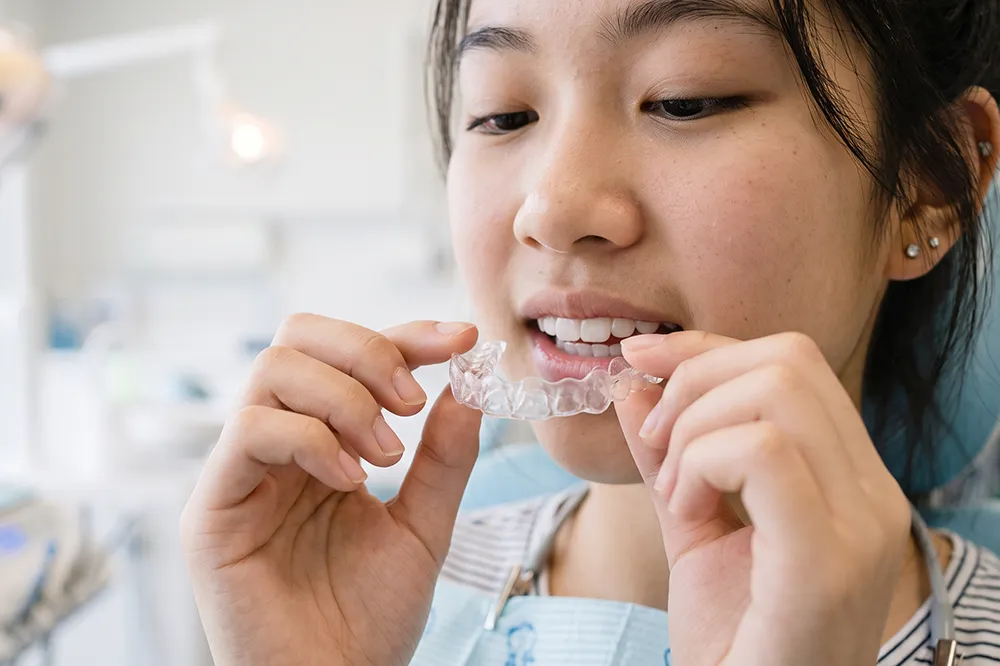
Mouthguards: Custom-made guards for grinders prevent further wear.
Sports mouthguards: Thicker guards protect teeth from impact during sports.
Desensitizing toothpaste: Helpful for sensitivity caused by gum recession or exposed roots. Long-term use can block dentinal tubules and reduce sensitivity.
Fluoride treatment: High-concentration fluoride strengthens enamel and reduces sensitivity.
Periodontal therapy: Procedures like root planning remove infection and promote gum healing.
Fillings: Cavities require removal of decayed tissue and resin filling. If ignored, pulp inflammation may occur, requiring root canal treatment.
Crowns: Severe wear or erosion may need crowns to restore tooth structure.
Why does one tooth hurt only when biting at a certain angle?
If pain occurs only at specific biting angles, the tooth may have a crack. Cracks can result from biting hard objects, trauma, grinding, or large fillings. When biting at certain angles, the crack opens and irritates the nerve, causing sensitivity.
This rarely resolves on its own. As cracks widen, pain may become more frequent and intense. Cracked teeth may also be especially sensitive to hot or cold, and sometimes even change colour.
Treatments for cracked teeth
Bonding or filling small cracks can be repaired with filling material.
Crowns Larger cracks require crowns to protect the tooth and prevent further damage.
Root canal treatment If the crack extends into the pulp and causes persistent pain, infected tissue must be removed while preserving the tooth.
Extraction Severely cracked or damaged teeth may need removal, followed by implants or bridges.
Why do teeth feel more sensitive after cleaning or gum treatment?
During cleaning, dentists remove plaque and tartar below the gum line. Areas previously covered by tartar may become temporarily exposed, leading to short-term sensitivity.
If gums were already inflamed, sensitivity may feel more pronounced after treatment. However, as gums heal, sensitivity usually decreases gradually.
Relief methods include using desensitizing toothpaste, avoiding extreme temperatures or acidic foods, and brushing gently.